|
|
| ECUADORNATIONALPARK.COM |
|---|
|
THE WARMING OF THE PLANET |
|---|
|
|
Depredation of the Ecuadorian Ecosystems
|
|---|
|
|
The Rain Cycle
|
|---|
|
If we think in the cycle of the water, it will give us an idea how the water is produced and how it reaches our rivers, lands, and even our tables. Routinely the sun heats our lands and the oceans causing the evaporation of huge amounts of water in the form of water vapor to form the clouds. The clouds or large accumulation of vapor in the sky in their upward movement will get in touch with very cold layers of temperature that will condensate the vapor in tiny drops of water or even frozen the water and by gravity will fall as a rainfall or even hail.
|
|
|
Nobody can predict where or when the rainfall will occur, it only depends on the wind and the low temperature layers of the atmosphere to carry away and to condense the clouds respectively and produce a rainfall, light or heavy, depending on the amounts of water vapor stored in the clouds.
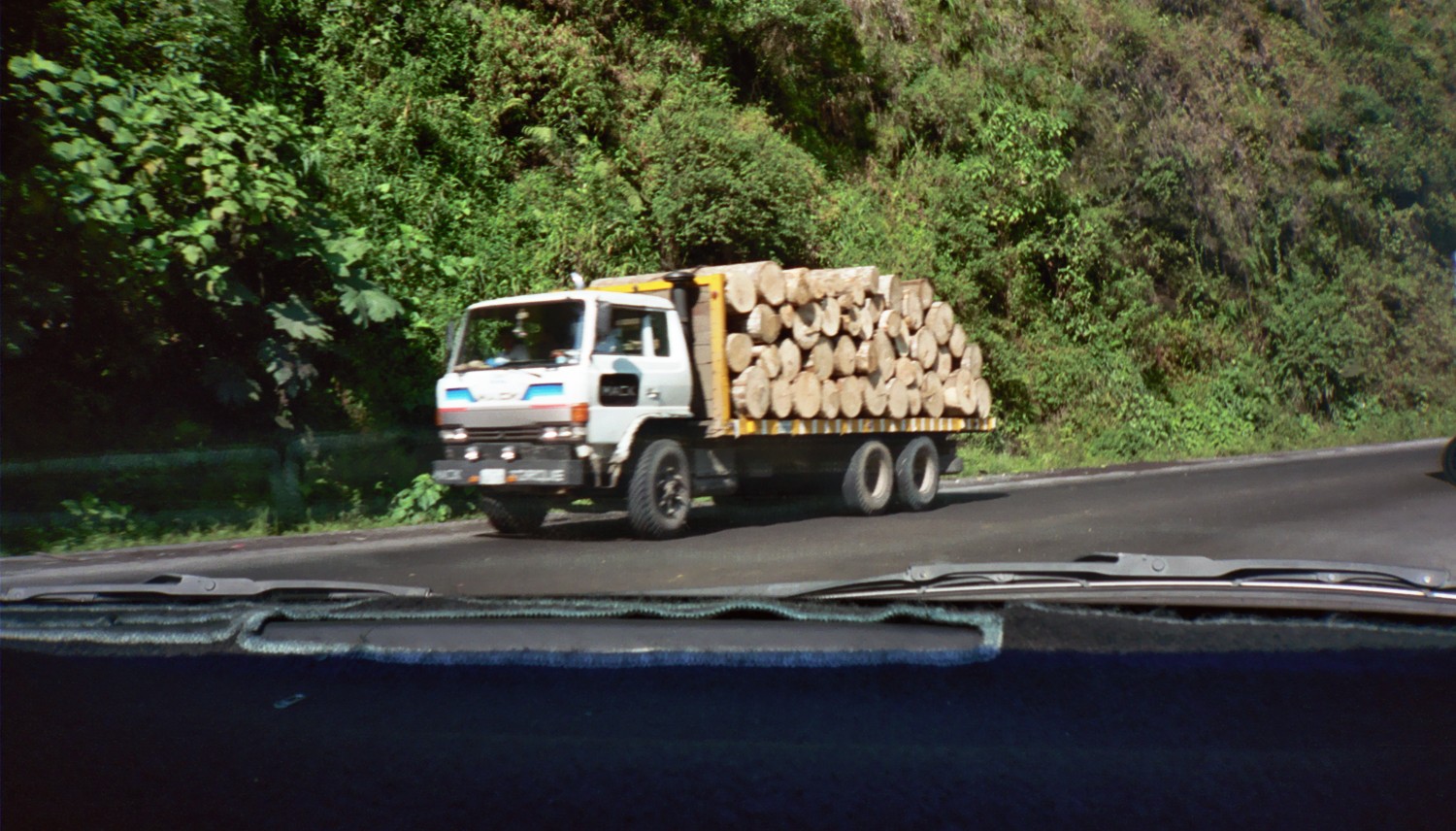
If the rain falls on a mountain covered by a great vegetation, and its soil is also covered by a tick layer of leaves acting like a giant sponge, the rainwater will be retained or absorbed in their interstices, acting like a dam, minimizing the effects of the rainfall to subsequently release the water by gravity to the lower grounds, helping to maintain permanent courses of water around the year. In other words they act like reservoirs where the water is stored and then released little by little. That is exactly what happens with mountains rich in vegetation and also rich in ponds and small lagoons where the hand of the man has not intervened to drain them yet. The benefit of having vegetation covering the land is extraordinary because it provides benefits of constant humidity and water availability year around. On the contrary if the rainfall falls on a bare land with not vegetation and not giant sponge of leaves, small ponds and lagoons to form a kind of dam, the water will rush to the low lands sometimes dragging everything in its way and causing a terrible damage because landslides and floods, destruction of roads, bridges, homes and even loss of life. The result of a land depleted of trees is terrible, the conditions of the soil are modified but also the climatic conditions are modified producing tremendous changes in temperature, rainfall, and desertification. We do not want this kind of behavior of our rainfall. We can prevent it by only covering our mountains with trees.
The effect of the solar energy differs in the case of the oceans and the land. The oceans continually are evaporating to form clouds and rainfall thanks to the help of our good sun. The effects of the sun on the ground are different. If the land is bare and the sun continues evaporating the small amount of water contained in it, pretty soon it will evaporate in its entirety leaving the soil with no water, not able to grow plants, dry, sterile. Even small vegetation such as grasslands will not be able to prevent the soil against evaporation. On the other hand, a well cover ground, to say with a great forest, will always store a reserve of water, with a good reserve of humidity where plants, animals and humans could live in harmony. The rich foliage of the tress helps to maintain a good coverage of the soil.
|
THE GOOD OLD TREES |
|---|
|
Under the trees always the shade is fresh and comfortable. This is because each leaf is a true micro-industrial manufacturing facility where by the work of the solar energy, chlorophyll, and the photosynthesis process, the CO2 of the atmosphere is absorbed by the leaves and combined with the organic chemicals carried by the chlorophyll to produce a myriad of products such as sugars, starches, cellulose, medicinal products and you name products, some of them not identified yet. And it is because the leaves absorb the sunlight to use it as energy for its photosynthesis processes, and no heat goes beyond the leaves, that is why a shade under a tree is always fresh and comfortable, That is why is so beneficial to have a well maintained forest, unlike when you seat under the shade of a metallic roof for instance.
If the soil is a completely bare land, it acts like a giant heating plate. The hot soil will heat the air in contact with it getting hot and hotter, and when this hot air rises to the atmosphere will warm the humid clouds preventing the condensation of vapor in water, also preventing a rainfall. The bigger the bare land is the more hot air currents are produced, the less chance to have a good rainfall, and possibly these clouds may be carried away by the wind to produce rain in other places, leaving with no rains where it is desired as long as these conditions persists.
This is what exactly occurs in areas unprotected by trees, lets say desert land, when seldom a rainfall occurs, but if a rainfall occurs on the unprotected soil, the layer of fertile soil will be washed away leaving the ground private of the organic fertilizers the plants need for its grow, eroded and sterile. Also the wind will help to blow away whatever dirt and dust is produced by the dryness of the soil eroding it even more.
The hot plate effect is also a cause of the rising the temperature, and in our case if hotter air rises to the atmosphere for sure our atmosphere will get warmer and warmer and of course will affect the ice cap of our mountains. The effect of the warming of the atmosphere is very clear. Today permanent ice cap mountains are covered with less ice than in the past because the elevation of temperature has caused the melting down of the ice of mountains. International scientists had measured and demonstrated that mountains such as Cotopaxi, Chimborazo, and others, have lost great amounts of ice. This is an alarming phenomenon, not because the mountains have lost some ice, but because some rivers gather their waters from the snow of the Andean mountains, and if the ice disappears the rivers also will disappear.
People possibly may be able to prevent the soil of not driving or thrusting away the clouds that produce rainfall by only eliminating the hot plate effect, in other words covering the land with trees and planting more trees.
It is very clear, the absence of trees changes the distribution and precipitation of the rainfall. A continuous drought alters the ecology of the region and then the green zones start disappearing little by little with the continuous advance of the phenomenon of desertification. Also the life style and customs of some ethnic groups are also strong factors contributing to the desertification. For example, some people uses trees for cooking and fire, some animals, such as goats and cattle graze the green grass to the root of the grass, living no plants but bare soil that is prone to heavy evaporation and dryness, leading toward a potential desertification of the land.
|
Forestation and Deforestation |
|---|
|
In a well balanced ecosystem the land is cover with all kind of trees, humidity is abundant in the soil, insects and microorganisms are busy digesting or processing the decayed plants and producing the organic mater that is recycled over and over and eaten by the plants as a food or organic fertilizer to renew also over and over the living forest. Insects, bees for example, are busy gathering nectar and pollen to construct their honeycomb and storing their honey, but doing that the bees are helping the whole humanity with one of the greatest jobs in the world, which is the pollinating or fertilization of the flowers. Without them plants will not be able to bear fruits, and with not fruits, what will feed our stomach?
|
|
|
The animals, small and large, and birds have made of the forest their habitat and live with the fruits and seeds they eat to later spread these seeds they ate with their excreta along the vast area where they used to go wandering, working this way not only as consumers but also as growers, we can say partners, in helping us to spread the seeds and continue the propagation of the plants, therefore the maintenance and grow of the forest.
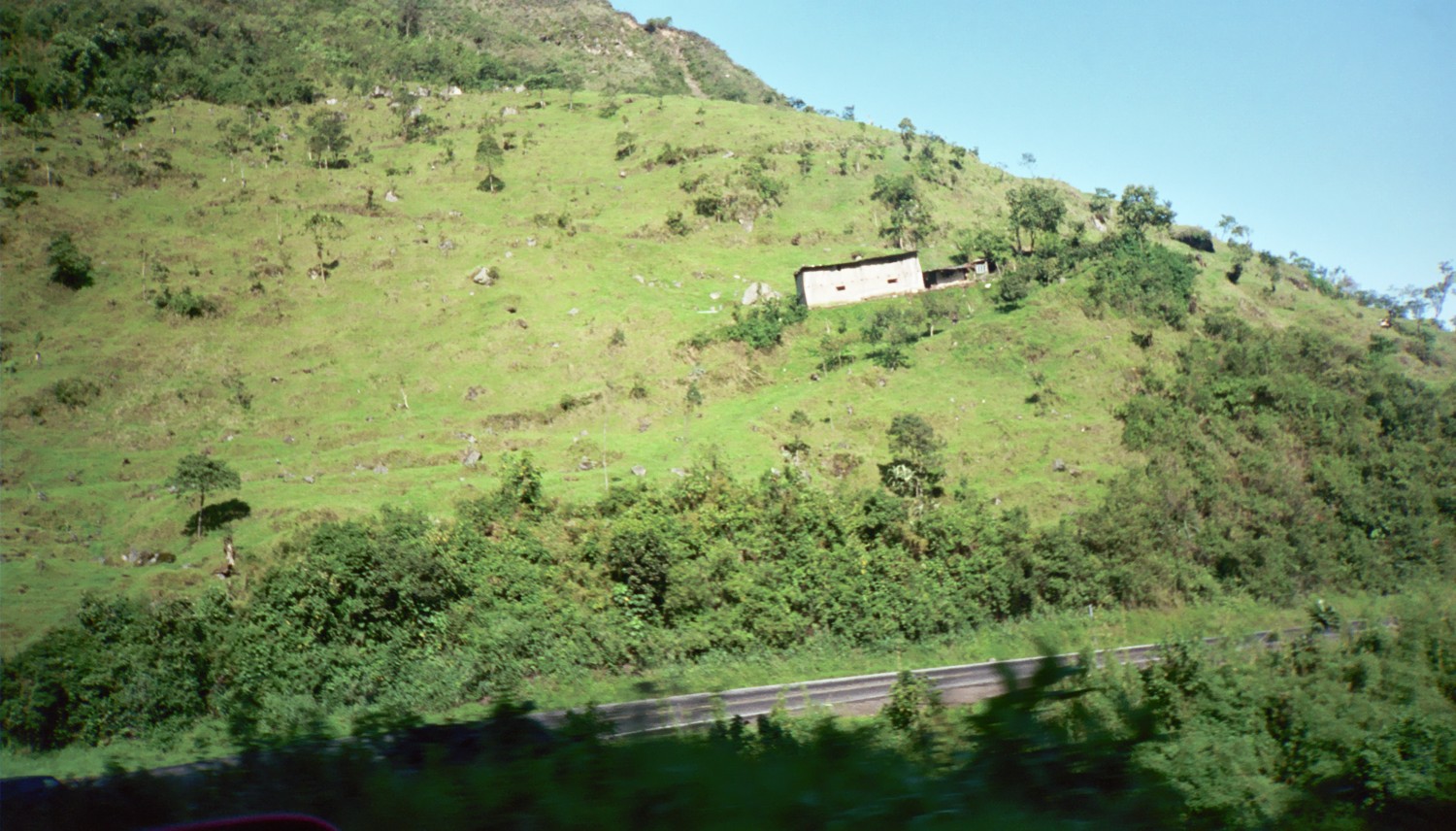
But contrary to planting trees, native forests are quick disappearing due to wooden exploitation, shrimp farming, agriculture and cattle farming practices that are replacing vast forests by grasslands and water consuming trees that not store humidity, causing a rapid drying of the land, destroying other fruit trees that wild animals use as a food and their habitat, and also destroying our partners in propagation of seeds and the reforestation of the forest.
The grasslands will not be able to hold the water from the solar heat and will lead to a strong evaporation of the humidity content of the soil and little by little will lead to a desertification.
An immediate strong reforestation and protection of the forest from any kind of destruction is needed. If every citizen plant more than one tree for every one that is chopped down, then Ecuador could continue to be a beautiful country with a great ecosystem where the land is permanently cover by a green blanket of vegetation, with abundant water, and protected fauna, with all kind of song birds, providing an enchanting land that tourists want to visit again and again to this paradisiacal land. After all who might want to visit a sterile land with no trees and animals and quiet with no songbirds?
The alternative to the desertification is the forestation and reforestation, or the planting of new trees in the areas where the forest have been chopped down. Experts however recommend that the best practice in reforestation is to chose the native trees of the area to reforest which will assure a healthy grow of such trees, because they are familiar with the conditions of the area and also they are adapted to the conditions of the soil, temperature, rainfall and even resistance against the attack of insects or diseases. In unspecified desert tracts some variety of trees have demonstrated a great ability to survive in very severe conditions of dryness. Example of this ability is the acacia tree, a great tolerant of the dry soil as well as of fast growth.
Normally young people Schools age are very eager and easy to motivate them to get involved in the promoting of a process of conscientiousness for both children and young people in the protection and preservation of our environment. With this idea in mind teachers, parents, principals must get involved in the use of such interest of students to integrate them in ecology groups involved in the preservation and reforestation of some small areas, and also as defenders and protectors of the environment while other groups could get involved in other areas related to reforestation jobs such as starting with nursery work, soil management, tree planting, etc.
|
Protect Our Rivers |
|---|
|
Nobody realizes our trees have a tremendous importance in protecting the soil from excessive drying up and erosion. Normally in the highlands, where temperatures are low, the waters vapor in the form of clouds maintain constantly wet the leaves of the plants, causing to form small drops of water that fall on top of other leaves and then to the floor causing great humidity and forming small ponds of water that eventually runs down and join with other running water to give birth to small streams then large streams that joining with other streams form small rivers, and these small rivers feed larger rivers to give way to the great rivers. Also many rivers gather their waters from the snows of the ice caps of the Andes Mountains.
The absence of forests have tremendous implications in the behavior of the climate, the production of rain and the availability of the water for our needs as well as for purposes of producing crops for our survival. Our responsibility must be to protect our forest, our sources of food and water, protecting our land against the sun by planting trees so we can have shades that keep humid our soil that leads to a great forest where the drops of water that fall on the ground leads to a great river.
Without any protection of our watersheds, small streams, may dry up, and because these streams are formed due to a wet soil and the dripping of the wet leaves of the trees, if there are not leaves that collect the drops of water, and there are not trees to give shade to the soil, it will dry out and no small streams will be able to form, and because the rivers are feed by those small streams, also the rivers will diminish its volume and eventually may also dry up leaving the humanity with no water to satisfy their thirst.
Also if our rivers are running in a bare and dry land, without any protection against the evaporation, the water that runs through it evaporates quickly and will deliver less volume of water to the areas where it is needed. If whatever of forest left is destroyed and no new trees are planted to replaced the cut ones, you better believe, the water as a vital resource for our subsistence is in running the risk of not been renewable ever.
It most be government policy to protect our water sources against drying out of the watersheds, watercourses and natural water reservoirs such as marshes and swamps by one and simple step: just planting trees.
|
Water Conservation |
|---|
|
Worldwide countries are already facing an alarming shortage of water. Some small countries depend on other countries for its water supply because their small sources of water had dried out and what they have available is already too small for its excessive water consumption. Other countries have already started recycling its sewage waters using highly developed purification systems that reclaim the water so well that is completely pure, and is been used for watering purposes in some cases, but in others it has been necessary to use it even for drinking and cooking purposes.
In California for instance recycled water is used for irrigation purposes of grasslands, parks, even agricultural crops, and possibly mixing with potable water for drinking purposes. Recycling plants guarantee that recycled water for drinking purposes is as safe as regular drinking water and even better than that.
So far nobody is aware the water is a commodity that is running out and for good. The human consumption of water is so large that rivers are unable to satisfy the demands of the population for their primary needs, that is for drinking, cooking, and batting, not to mention the demand for watering the farms for food production and other chores. So, if the population continues to grow, and if the rivers are getting small and smaller volumes because the warming of the globe, how are we going to assure the water for our thirst? Saving water is not enough, the sources of water are diminishing rapidly and it is imperative that we protect our sources and even increase our natural sources of water. The swamps and marshes used to be places of good reserve and a good source of water, no to mention of fish and wild life. Today they have been drained in its entirely to give way to agriculture crops or pastures.
It is imperative for the worlds governments to work with its citizens in water sources protection and conservation by increasing our natural reservoirs, stopping the drainage of natural reservoirs, and covering the sources of water with appropriate trees. Also government must start motivating its citizens in water conservation by establishing their own levels of consumption, and granting rewards to those whose efforts conduce to great a savings of water. Also consumers could start developing their own recycling systems in their homes so the water that is used for certain purposes still can be used for other applications, for instance, water used in the shower and laundry may be used for watering gardens, grass, trees, etc.
|
The Drinking Water of Ecuador
|
|---|
|
Some places in South America still do not count with a drinkable water that is free from contaminants and microorganisms, usually bacteria that cause many illness and death, especially in small children. Ecuador it is not the exception. That is why it is recommended to visitors always to drink boil or bottled water guaranteed to be potable if they do not want to spoil their vacation time.
|
|
|
| traveltoecuador@yahoo.com |
|